Season's Ending, South Coast: Why Late Summer Is Prime Time for a TR19 Kitchen Clean
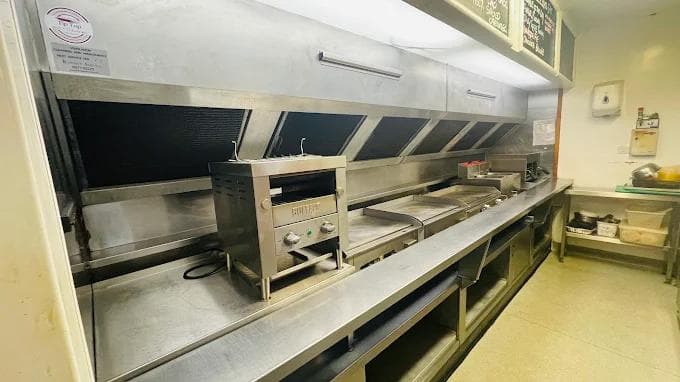
Ask anyone running a kitchen on the South Coast how their summer's gone and you'll get a version of the same answer: relentless. Longer covers, fuller beer gardens, and a steady stream of visitors from Chichester to Brighton have kept extractor fans running longer than usual for weeks on end. Great for turnover. Less great for the inside of your ductwork, which has been quietly collecting grease faster than any winter month manages. Meanwhile, school and care home kitchens across West Sussex and Hampshire have had the opposite kind of summer — closed, quiet, and finally accessible for maintenance that's impossible to schedule during term time. Both situations point to the same conclusion: late August is one of the smartest windows of the year for a TR19-compliant kitchen extraction clean, and here's why.
Why Timing a TR19 Clean Around the Calendar Actually Matters
TR19, BESA's standard for ventilation and kitchen extraction hygiene, sets minimum cleaning intervals rather than fixed calendar dates, which means the right time to book is whenever your system's actual usage says it should happen, not whenever it's convenient to remember. For a lot of premises across our patch, that calculation lines up neatly with the end of summer, for two very different reasons depending on what kind of kitchen you run.
Seaside Pubs, Restaurants and Hotels: The Bill for a Busy Summer Comes Due in the Ductwork
Under TR19 Grease, a kitchen running 12 to 16 hours a day should be cleaned roughly every three months, and plenty of seasonal venues along the coast — Bognor Regis, Worthing, Littlehampton — quietly slip into that heavy-use bracket the moment the school holidays start, even if they sit closer to moderate use the rest of the year. If your last clean was booked in spring, ahead of the season, there's a good chance your extraction system has spent the busiest months of the year running well past its comfortable interval. Grease doesn't announce itself politely; it builds in layers you can't see from the pass.
What a Summer of Heavy Kitchen Use Does to an Extraction System
- Grease starts weeping from canopy joints or filter housings that looked fine at Easter
- Extractor fans run louder or hotter as airflow gets restricted
- The kitchen holds heat longer after service than it used to
- Filters need washing or changing more often than the usual schedule
- A faint fried, stale smell lingers into the next morning's prep
Schools and Care Homes: Why the Summer Holidays Are the Perfect TR19 Window
Institutional kitchens play by different rules. A school kitchen might run light-to-moderate hours for most of the year, but access is the real obstacle — nobody wants isolation permits and ladders going up over a working servery during term time. The summer closure removes that problem entirely, and with most schools back in early September, the next few weeks are genuinely the last realistic chance to get ductwork, canopies and fans properly cleaned, tested and certified before hundreds of lunches a day start moving through the system again. Care homes and NHS catering sites don't get a summer shutdown in the same way, but many still use the quieter late-August period to schedule work that's easier to plan around lower footfall.
Getting TR19 Access Right the First Time
- Existing access panels spaced roughly every 2 metres along the duct run, in line with TR19 expectations
- A clear, isolatable route to the canopy, fan unit and any sections that are hard to reach
- Confirmation of which areas count as low, medium or high risk under the system's classification
- A plan for extraction plant isolation that doesn't depend on term-time downtime
- Sign-off from site management on timing, so the clean fits around holiday-period building work rather than competing with it
The Numbers Behind Why Insurers and EHOs Take TR19 So Seriously
It's worth being blunt about why this matters beyond tidiness. Industry estimates put somewhere around seven in ten commercial kitchen fires down to grease accumulation in extraction systems, and the London Fire Brigade has repeatedly flagged neglected ductwork as one of the most common causes of serious kitchen fires it attends. Insurers know this, which is why most commercial kitchen policies now reference TR19 compliance directly rather than treating it as a nice-to-have, and Environmental Health Officers increasingly expect to see current paperwork on an unannounced visit, not a promise that a clean is booked in soon.
What Insurers Typically Ask to See After a Kitchen Fire
- A current TR19 certificate showing the most recent clean date
- Before-and-after photographic evidence from that clean
- Deposit Thickness Test results confirming grease levels were within limits
- A cleaning history showing intervals appropriate to how the kitchen is actually used
- Records of who carried out the work and what accreditation they held
None of this is really about picking a favourite season — it's about matching the clean to the calendar instead of fighting it. Late summer happens to be the point where a busy hospitality trade and a quiet school or care home kitchen both have the same good reason to get booked in. As a CHAS Elite and BESA-accredited contractor, Duct Cleaning Tip Top Ltd carries out TR19 duct and kitchen extraction cleaning across West Sussex, Hampshire and the wider South Coast, from Chichester and Worthing through to Southampton and Portsmouth, with full before-and-after evidence and certification on every job. If your kitchen's had a busy summer, or your school or care home kitchen is coming up on its last quiet week, get in touch for a quote before the autumn diary fills up.