Grease, Fire, and the Law — What UK Restaurant Owners Must Know
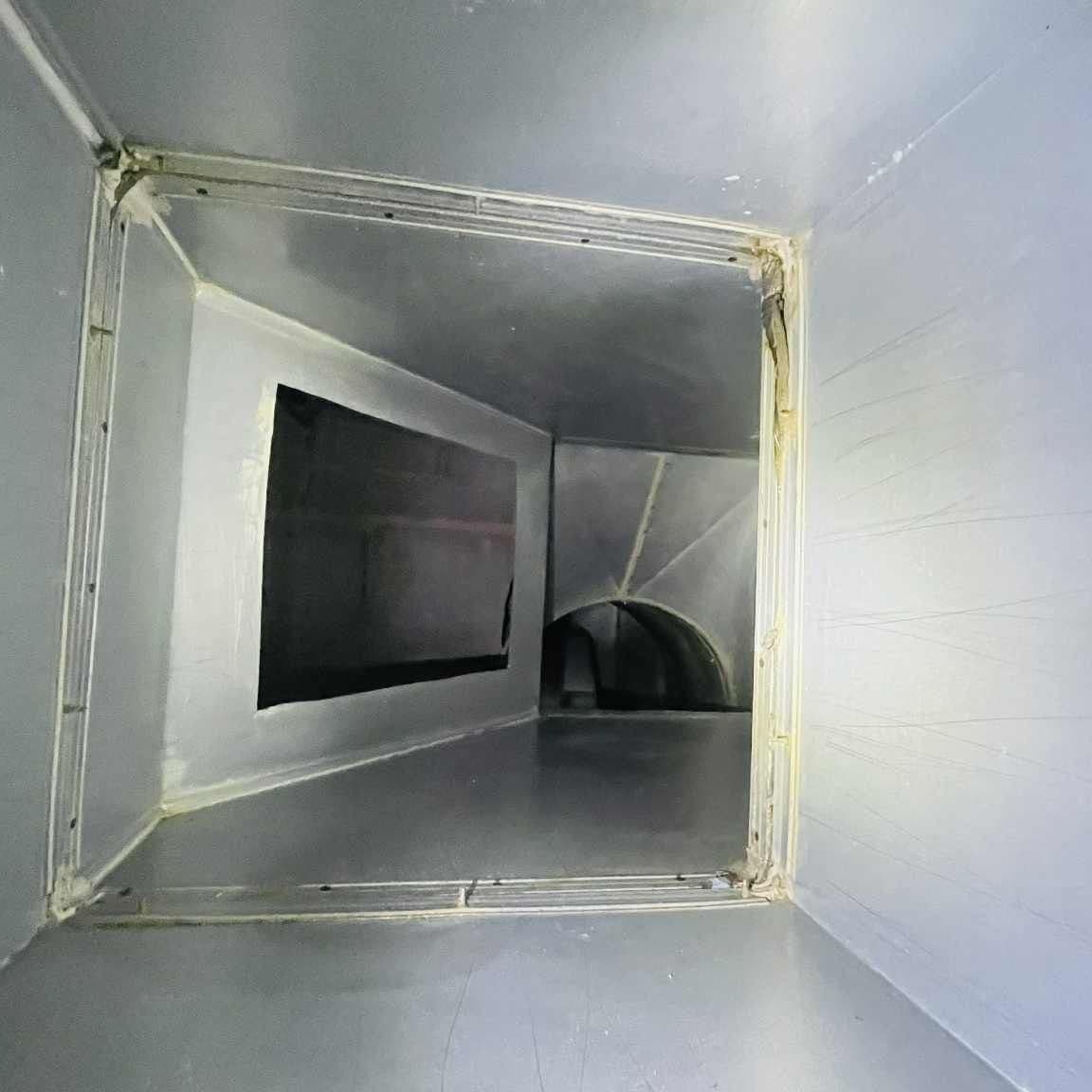
A kitchen fire is not bad luck. In most cases, it's the predictable result of a maintenance failure that had been building for months. The grease was there. The heat was there. Nobody cleaned the ductwork.
Understanding your legal obligations isn't just about compliance — it's about not losing everything.
The Legal Framework Is Clear
In the UK, commercial kitchen operators are bound by several overlapping pieces of legislation:
- The Regulatory Reform (Fire Safety) Order 2005 — requires a suitable fire risk assessment and active management of fire hazards, including grease buildup in extraction systems
- The Health and Safety at Work Act 1974 — duty of care to employees extends to the working environment, including air quality and fire risk
- Building Regulations Part J — covers combustion appliances and flue systems
- Insurance policy conditions — most commercial kitchen insurers require evidence of regular kitchen extract cleaning to TR19 standard
Failing on any of these isn't just a fine risk. It's a claim rejection risk. If a fire starts in a grease-contaminated duct and you can't produce cleaning records, your insurer has grounds to walk away.
TR19: The Standard You Need to Know
TR19 is the UK industry benchmark published by BESA (Building Engineering Services Association). It sets out exactly how grease extract systems should be inspected and cleaned — and how frequently.
The standard classifies kitchens by usage level:
- Heavy use (over 12 hours cooking per day): clean every 3 months
- Moderate use (6–12 hours): clean every 6 months
- Light use (under 6 hours): clean annually
A TR19-compliant clean isn't just wiping filters. It requires full duct access, grease depth measurement before and after, and a written report with photographic evidence.
That report is your legal protection. Keep every one of them.
Where Grease Actually Accumulates
Most kitchen operators focus on the visible stuff — the canopy filters, the surfaces around the hob. But grease travels through the entire extraction pathway:
- Inside the ductwork — especially bends, joints, and horizontal runs where grease pools
- On fan blades and motor housings — where buildup reduces efficiency and creates heat
- At the external discharge point — often completely neglected
A professional kitchen extract cleaning service will access every section of that pathway. If a contractor only cleans what's visible without opening access panels into the ductwork, they haven't done the job — and you don't have compliant documentation.
The Air Quality Dimension
Kitchen extraction isn't just about fire risk. It directly affects the air your chefs breathe for 10–12 hours a shift.
A poorly performing extraction system recirculates:
- Combustion byproducts from gas appliances
- Fine particulate matter from high-temperature cooking
- VOCs from oils and fats at cooking temperatures
- Steam and humidity that raises mould risk in surrounding ductwork
Air quality testing in the UK commercial kitchen context is still underused. But with increasing scrutiny on employer duty of care, getting a baseline indoor air quality testing UK assessment for your kitchen makes both legal and practical sense.
High CO levels from poorly ventilated gas equipment are a particular risk. They're colourless and odourless — your team won't know until it's too late.
What a Fire Risk Assessment Should Cover
Your fire risk assessment (legally required) must address extraction systems specifically. Look for these elements:
- Date and compliance standard of last kitchen extract cleaning
- Grease depth readings — pre and post clean
- Photographic evidence throughout the duct run
- Condition of fan unit and discharge point
- Frequency schedule going forward based on actual cooking hours
- Any identified defects or areas requiring repair
If your current fire risk assessment doesn't address the extraction system in this level of detail, it's not adequate — and a fire safety inspector will tell you the same thing.
Common Mistakes That Leave Operators Exposed
Cleaning only the filters. Canopy filters catch some grease, but the ductwork behind them accumulates far more over time.
Using an unaccredited contractor. If your cleaning contractor can't evidence TR19 compliance and provide a proper post-clean report, the clean may not satisfy your insurer.
Letting schedules slip. A restaurant that goes 14 months between cleans when it should be on a 6-month cycle has a gap in its compliance record. That gap matters if there's ever an incident.
Not retaining records. Keep every cleaning report, every engineer's certificate, every maintenance record. Store them somewhere you can access them quickly — not just on a system that might be destroyed in the same fire.
Practical Action Plan
Check your last kitchen extract cleaning date — is it within the TR19 window for your usage level?
Review the report from that clean — does it include duct access, grease depth measurements, and photos?
Confirm your contractor is TR19 accredited
Update your fire risk assessment to reflect extraction system status
Book an indoor air quality assessment if you've never had one — particularly relevant for gas-heavy kitchens
Set calendar reminders for your next clean before the current compliance window closes
None of this is complicated. It just requires treating extraction maintenance as non-negotiable infrastructure — which it is.
The law is clear. The standard exists. The risk is real. What's missing in most kitchens that have fires is not knowledge — it's the discipline to stay on schedule.
Get compliant. Stay documented. Protect your business.