Extra Summer Visitors? Is Your Restaurant/Venue Kitchen Fire-Safe?
Summer is good for business. More covers, longer evenings, busier weekends. But a packed service also means your kitchen extraction system is working harder than it has all year — and if you haven't had it properly maintained, that's a risk you really can't afford to ignore.
Kitchen fires don't start with a dramatic explosion. They creep in quietly — grease builds up inside ductwork over weeks and months, and one hot shift is all it takes.
The Hidden Danger Behind Your Canopy
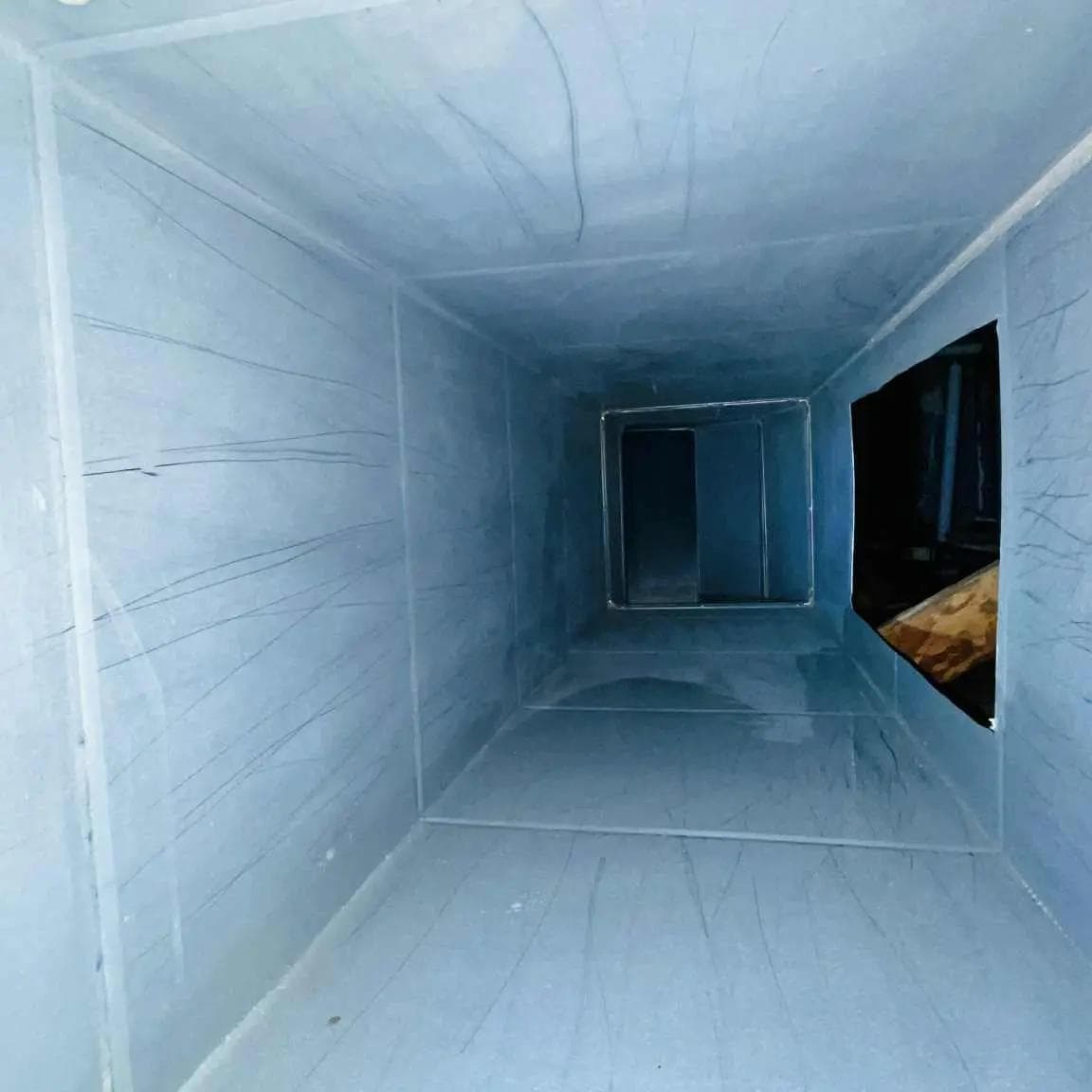
Your kitchen extract system pulls heat, steam, and airborne grease particles out of the cooking environment. That's its job. But here's the problem: that grease doesn't disappear — it coats the inside of your ducts.
Over time, you end up with a layer of highly flammable residue running through the entire extraction system. From the canopy filters right through to the external fan unit.
- Grease-coated ductwork is one of the leading causes of commercial kitchen fires in the UK
- Most fires start inside the duct, invisible to staff
- By the time flames are visible, the fire has often already spread
If your kitchen extract cleaning isn't up to date, your insurance may not cover you either. That's not a technicality — insurers actively look for this after a claim.
Summer Turns Up the Heat — Literally
A quiet Tuesday in February is very different from a Saturday night in July with a full terrace and every burner lit. The extraction system that coped fine in winter is now running flat out, pulling more grease-laden air through the ducts at higher volumes.
More cooking = more grease deposition. It really is that simple.
Summer is precisely when extraction systems need to be clean — not the moment you book a clean after something goes wrong.
The TR19 standard (the UK industry benchmark for grease duct cleaning) recommends cleaning frequency based on cooking hours:
- Heavy use (12–16 hours/day): every 3 months
- Moderate use (6–12 hours/day): every 6 months
- Light use (under 6 hours/day): annually
Most busy restaurants fall into the heavy or moderate category. If you're not on a regular schedule, you're likely already overdue.
What Good Kitchen Extract Cleaning Actually Looks Like
Not all cleaning is equal. A contractor who wipes down the visible canopy filters and calls it done hasn't cleaned your extraction system — they've cleaned the easy bit.
Proper kitchen extract cleaning should cover:
- Canopy and filter removal and degreasing
- Internal duct inspection — with access panels where needed
- Fan blades and motor housing
- Full system clean back to the external termination point
- Post-clean report with photographic evidence — this is what your insurer will want to see
Always ask for a report. If a contractor can't provide written evidence of the clean with before-and-after photos, that clean won't satisfy your insurance requirements.
Air Quality: The Problem You Can't See or Smell (Easily)
There's another side to this that often gets overlooked in the rush of summer prep — indoor air quality.
A compromised extraction system doesn't just create fire risk. It recirculates contaminants, cooking fumes, and particulates back into the kitchen and dining environment. Your chefs work in that air for 10–12 hours a shift.
Indoor air quality testing in the UK is still underutilised in hospitality, but it's growing — and for good reason. Poor air quality is linked to:
- Fatigue and reduced cognitive function in kitchen staff
- Increased sick days
- Carbon monoxide risk where gas appliances are poorly ventilated
- Customer discomfort in dining areas
Air quality testing UK regulations under the Health and Safety at Work Act already require employers to provide a safe working environment. That includes the air people breathe. If you're running a kitchen without any monitoring, you're operating on assumption.
A proper indoor air quality testing UK assessment will measure CO, CO₂, VOCs, particulate matter, and temperature/humidity — giving you a clear picture of what your team is actually breathing.
Don't Forget the Ductwork Beyond the Kitchen
If your venue has air conditioning, HVAC, or ventilation serving dining areas, offices, or function rooms — those systems also need attention.
Air duct cleaning UK services cover far more than kitchen extraction. General ventilation ductwork accumulates dust, allergens, mould spores, and bacteria. In summer, when systems run continuously, contamination spreads faster.
A blocked or dirty air supply duct:
- Reduces system efficiency (higher energy bills)
- Circulates allergens and irritants to guests
- Can harbour mould in humid conditions
Duct cleaning UK is not a luxury — it's maintenance. The same way you service your boiler, you should be scheduling ductwork inspection and cleaning on a regular cycle.
Before the Summer Rush: Your Checklist
If you're heading into a busy season, run through these now:
- ✅ Kitchen extract cleaning — booked and up to TR19 standard?
- ✅ Compliance report — do you have documented evidence for your insurer?
- ✅ Air duct cleaning UK — when was your general ventilation last inspected?
- ✅ Air quality testing UK — do you have baseline data for your kitchen and dining areas?
- ✅ Indoor air quality testing UK — especially relevant if you've had any staff complaints about headaches, fatigue, or stuffiness
- ✅ Filters — checked and replaced on schedule?
- ✅ Fan units — any unusual noise or reduced airflow?
Don't wait for an incident to trigger the review. A kitchen fire during peak summer service isn't just dangerous — it's potentially the end of your season, and possibly your business.
Extra summer visitors are great for revenue. They're also great at stress-testing systems that were just about managing in quieter months.
Your extraction system, your ductwork, and your air quality monitoring are not optional extras. They're core infrastructure — and summer is the season that exposes every weakness.
Get the clean done. Get the report. Know what your team is breathing.
That's not overcaution. That's running a tight operation.