Duct Cleaning Tip Top Ltd is CHAS Elite accredited. See what BESA's 2026 TR19 update means for kitchen extraction cleaning in West Sussex & Hampshire.
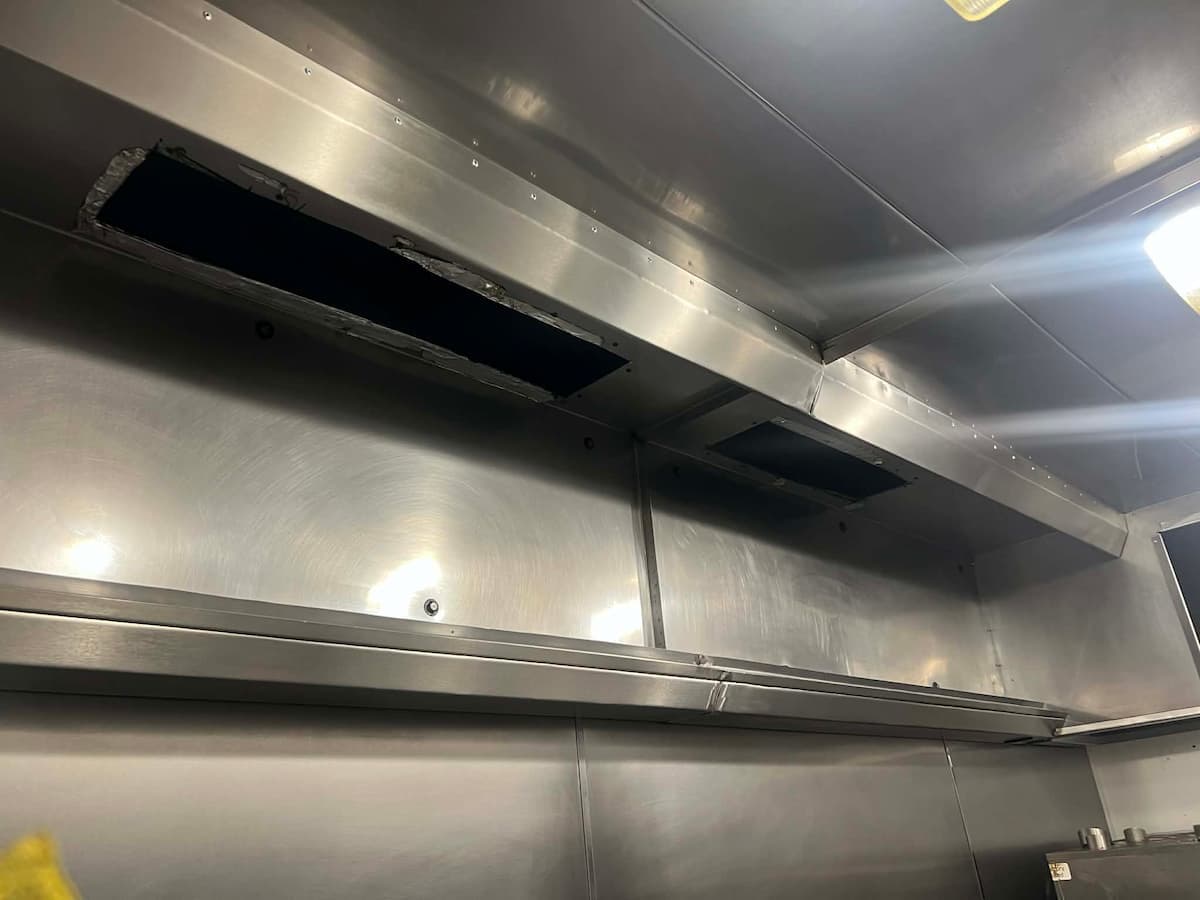
Every industry collects a wall of certificates that visitors politely nod at without knowing what any of them actually mean. Duct Cleaning Tip Top Ltd has just added one worth explaining properly: CHAS Elite accreditation, the top tier of the UK's most widely recognised contractor pre-qualification scheme. On its own, that's good news. But 2026 also happens to be the year BESA rewrote a meaningful chunk of the TR19 rulebook for ventilation and kitchen extraction cleaning — so it's a good moment to unpack both, for anyone responsible for a commercial kitchen, restaurant, pub, hotel or care home across West Sussex, Hampshire and the South Coast.
CHAS Elite and TR19 2026: Two Milestones, One Underlying Idea
Both stories below share the same logic. CHAS Elite is about proving a business runs safely and properly, on paper, to an independent assessor. The refreshed TR19 is about proving a clean actually happened, on paper, to whoever asks next — an insurer, an Environmental Health Officer, or the contractor picking up where the last one left off. Neither is glamorous. Both are exactly what you want standing between your kitchen and a very bad Tuesday.
CHAS Elite: The Grown-Up Table of Contractor Accreditation
CHAS — the Contractors Health and Safety Assessment Scheme — is one of the UK's oldest and most widely accepted pre-qualification schemes, and one of the founding members of the SSIP family (Safety Schemes in Procurement), which lets a client accept one contractor's safety credentials instead of rebuilding a questionnaire from scratch every time. There are three tiers: Standard, Advanced, and Elite. Elite sits at the top, aligned with the Common Assessment Standard used by major contractors, local authorities, and, increasingly, public sector frameworks since a 2024 procurement policy shift. Getting there meant an independent assessor actually went through our health and safety policy, insurance, training records, and risk management across thirteen separate areas — rather than taking our word for any of it.
What a CHAS Assessor Actually Digs Through
1. The health and safety policy, and evidence it's followed on site rather than filed and forgotten
2. Risk assessments and method statements (RAMS) written for the actual jobs being carried out
3. Insurance certificates, current and adequate for commercial extraction work
4. Training and competence records for everyone who turns up at your premises
5. Accident and incident history, and how issues were handled when they happened
TR19 Just Had Its 2026 Update, and It's Mostly About Paperwork (In a Good Way)
TR19 is BESA's guide to cleaning ventilation systems properly, split since 2024 into TR19 Air (general ductwork and air handling) and TR19 Grease (kitchen extraction and fire risk). In March 2026, BESA refreshed TR19 Air again, and the headline change is a brand new Section 9 covering post-clean reporting — now built into the standard itself, rather than left to whichever contractor felt like writing a decent report. Every job gets labelled clearly: Full Clean, Partial Clean, or an Inspection outcome of Clean or Not Clean, so there's no ambiguity left about what actually happened on site. The update also tightens alignment with the European ductwork classification standard, BS EN 15780, and formally extends the Ventilation Hygiene Register (VHR) to cover Air work, not just Grease, which is where most attention used to sit. There's even a first mention of ductwork sensors for real-time monitoring — early days, but a clear signal of where the industry is heading.
What a Compliant TR19 Report Now Has to Contain
1. Before-and-after photographs taken from the same position, so the comparison actually means something
2. Deposit Thickness Test (DTT) results, recorded before and after cleaning
3. A site plan showing exactly which areas were cleaned
4. A note of any access points that couldn't be reached, and why
5. A Post-Work Verification Report recording the date, system type, location and contractor details
For Kitchens Specifically: What TR19 Grease Hasn't Changed (and Why That Still Matters)
If you run a commercial kitchen, TR19 Grease is the half of the standard that affects you most directly, and its cleaning frequency guidance hasn't moved: heavy-use kitchens running 12 to 16 hours a day should be cleaned roughly every three months, moderate use (6 to 12 hours) every six months, and light use (2 to 6 hours) every twelve — all treated as minimums, adjusted upward if inspection shows grease building faster than expected. It's worth taking seriously: industry estimates repeatedly attribute the majority of commercial kitchen fires to a poorly maintained extraction system, and most kitchen insurance policies now reference TR19 compliance directly, which means a missing or out-of-date certificate can complicate a claim at exactly the moment you need it not to.
Signs Your Kitchen Extraction System is Overdue for a TR19 Clean
1. Grease visible on the canopy, filters or fan blades, not just deep inside the ductwork
2. The kitchen running noticeably hotter, or the extraction sounding like it's working harder than usual
3. A faint burning or stale smell that wasn't there a few months ago
4. No cleaning certificate on file from the last six to twelve months, depending on how hard the kitchen runs
5. An insurer, EHO or new tenant starting to ask questions nobody's quite answered yet
Put the two stories together and you get the point of this article. CHAS Elite says a lot about how a contractor runs as a business; the 2026 TR19 update says a lot about what should land in your inbox after every clean. Duct Cleaning Tip Top Ltd was already issuing before-and-after evidence and TR19 certification as standard, so the new reporting rules mostly formalise what we were doing anyway — though it's a fair prompt to check your own paperwork drawer, not just ours. If you manage a restaurant, pub, hotel, care home or commercial kitchen anywhere across West Sussex, Hampshire, Chichester, Worthing, Southampton or the wider South Coast, and it's been a while since anyone checked what's actually behind the canopy, get in touch for a quote — we'll bring the ladders, the reports, and, apparently now, the paperwork to prove it.