Care Homes and Indoor Air Quality — A Duty You Cannot Delegate
The people living in care homes are among the most vulnerable to poor indoor air quality. Older adults, those with respiratory conditions, immunocompromised residents — they are precisely the people for whom clean air matters most.
And yet air quality monitoring in UK care homes remains inconsistent, under-resourced, and often absent entirely.
Why Care Homes Face Unique Air Quality Challenges
Care homes are lived-in environments. Unlike offices or schools, residents are present 24 hours a day, 7 days a week. They cannot leave if the air is poor. They often cannot articulate that something is wrong.
Specific risk factors include:
- High humidity from bathing, laundry, and cooking — creates ideal conditions for mould
- Residents with COPD, asthma, heart failure — all conditions directly worsened by poor air quality
- Older building stock — many care homes operate in converted Victorian or Edwardian properties with original ventilation
- Commercial kitchen operation — on-site catering means kitchen extraction risk sits alongside residential air quality risk
The combination is demanding. Indoor air quality testing in the UK care sector needs to address all of it simultaneously.
Regulatory Context
Care homes in England are regulated by the Care Quality Commission (CQC). The CQC's Key Lines of Enquiry include the safety and suitability of premises — and inspectors are increasingly asking about ventilation and air quality.
Beyond CQC, care homes must comply with:
- Health and Safety at Work Act 1974
- The Care Act 2014 — duty to promote wellbeing, which encompasses physical environment
- Fire safety legislation — particularly relevant where kitchen extraction is involved
- HTM 03-01 — Health Technical Memorandum covering ventilation in healthcare premises (applicable to larger or NHS-registered care facilities)
Failing a CQC inspection on premises grounds is serious. It can trigger an action plan, restrict admissions, or in severe cases lead to closure proceedings.
The Kitchen Extract Problem
Most care homes operate a full commercial kitchen. The same fire safety and air quality obligations that apply to restaurants apply here — with the added complication that the people most at risk from a kitchen fire are residents who may have limited mobility.
Kitchen extract cleaning to TR19 standard is non-negotiable. In a care home context, the consequences of a kitchen fire are potentially catastrophic.
Grease accumulation in extraction ductwork is the leading cause of commercial kitchen fires in the UK. A care home that cannot produce TR19-compliant cleaning records for its kitchen extraction system has a serious compliance gap — one that CQC inspectors and fire officers will identify.
Mould: The Slow Emergency
Mould is common in older UK care homes, and it's consistently underestimated as a health risk. For residents with respiratory conditions, mould spore exposure can trigger:
- Acute asthma attacks
- Worsening COPD
- Systemic fungal infections in immunocompromised individuals
- Chronic low-grade respiratory inflammation
Air quality testing in the UK care home context should always include mould assessment — not just surface inspection, but airborne spore counts and humidity mapping across the building.
Where mould is found, the source is nearly always moisture — from leaks, condensation, or inadequate ventilation. Ductwork is often implicated. Poorly maintained or blocked supply ducts create stagnant humid zones where mould establishes itself.
Air duct cleaning followed by airborne mould reassessment is the right sequence. Clean first, test after.
Staff Health and Retention
Care home staff work long shifts in the same building as residents. Poor air quality affects them too — and staff retention in the sector is already at crisis point.
A care home where staff regularly report headaches, fatigue, or respiratory irritation has an air quality problem and a retention problem that are almost certainly connected.
Booking an indoor air quality assessment demonstrates to staff that management takes the working environment seriously. In a sector where workers have choices, that matters.
What a Care Home Air Quality Programme Should Cover
Kitchen areas:
- TR19-compliant kitchen extract cleaning on schedule
- Post-clean documentation retained and accessible
- CO monitoring for gas appliances
Residential areas:
- Room-by-room CO₂, humidity, and particulate assessment
- Mould risk mapping
- Ventilation rate check — are supply rates appropriate for room occupancy?
Communal spaces:
- Dining room and lounge ventilation assessment
- Air handling unit inspection and filter replacement schedule
Ductwork:
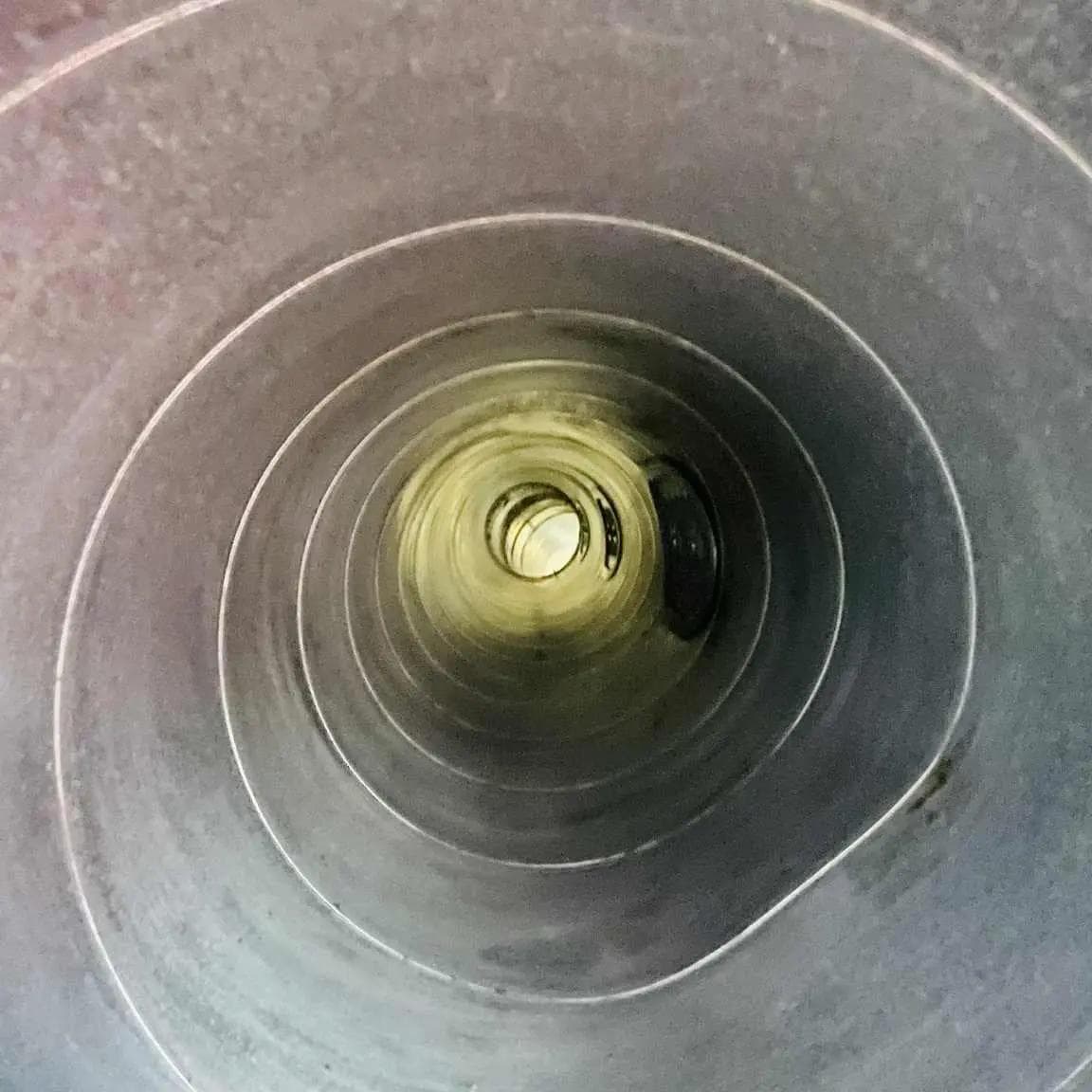
- Camera inspection of all supply and extract ductwork
- Air duct cleaning in the UK care home context should follow BS EN 15780 standards
- Post-clean air sampling to verify effectiveness
- Scheduled reinspection every 2–3 years minimum
This is not a one-off project. It's an ongoing programme — documented, scheduled, and evidenced.
Practical First Steps for Care Home Managers
- Review your kitchen extract cleaning records — are they TR19 compliant and current?
- Commission a whole-building indoor air quality testing survey
- Walk every corridor and resident room looking for visible mould, condensation, or damp patches
- Check your HVAC maintenance log — when was ductwork last inspected?
- Talk to your staff — they'll tell you which rooms feel stuffy, which smell damp, which give them headaches
- The residents in your care cannot advocate for themselves on this issue. That responsibility sits with you.
Clean air in a care home isn't a premium feature. It's a fundamental part of the duty of care you've committed to delivering.
Measure it. Document it. Fix what needs fixing. Then keep going.